Posted: March 11, 2024
Standby generators offer a dependable solution for power outages, but they are not immune to occasional issues. A frequent problem is their failure to start correctly. This article outlines ten typical reasons why a generator won’t start, identifying various factors that could lead to such failures. These include challenges related to fuel, battery malfunctions, defective parts, and lack of regular maintenance.
Here are the top ten reasons why your standby generator won’t start:
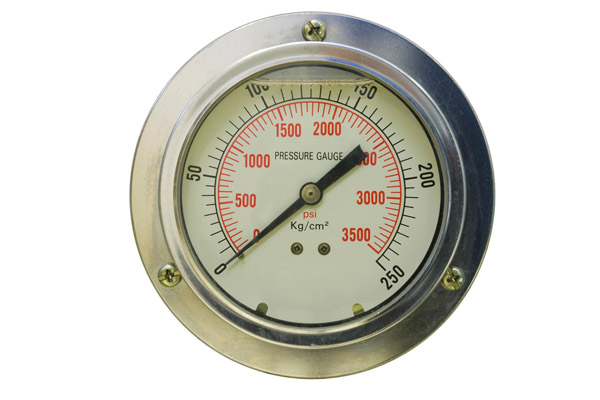
The engine of a generator relies on fuel to produce electricity. Common fuel-related problems affecting standby generators include:
A generator’s battery operates by converting chemical energy into electrical energy through an electrochemical reaction, serving as a standalone power source that supplies the initial energy required for the generator to function. However, battery failure is a common issue, often due to factors such as the battery’s age, poor maintenance practices, and exposure to extreme temperatures. These elements can significantly impact the battery’s performance and reliability.
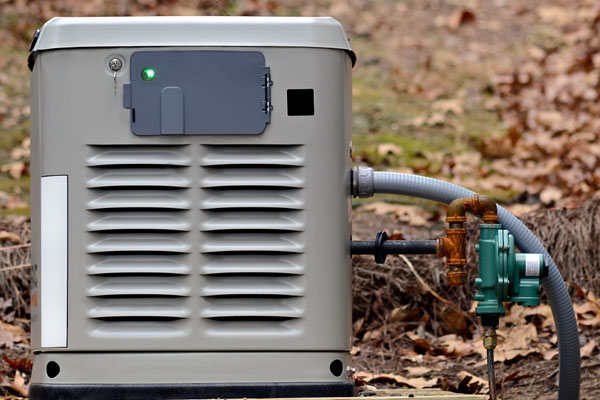
The control panel of a generator is a crucial component, offering a single point for overseeing and managing different functions. This panel facilitates starting and stopping the generator, tracking voltage, frequency, and additional electrical metrics, along with adjusting system configurations. It includes vital safety elements like circuit breakers and alerts. As the operational hub, the control panel plays a key role in ensuring the generator is utilized efficiently according to power requirements.
Challenges that might arise in control panel settings and functionality include:
Fuel lines are responsible for transporting fuel from the tank to the engine, ensuring a stable and continuous flow that is crucial for engine combustion. The efficiency of these lines is essential in maintaining optimal generator performance and a consistent power supply.
Clogs in the fuel lines can arise from several sources, such as sediment, debris, or an accumulation of contaminants. These obstructions impede fuel flow, causing a deficiency in the fuel reaching the engine. Consequently, this can lead to a decrease in generator efficiency, engine misfires, fluctuations in power, or in severe cases, total engine shutdown.
Spark plugs are vital for igniting the fuel-air mix in engine cylinders, creating a spark that starts combustion, essential for power and electricity generation.
Typical issues with spark plugs include fouling, wear, and incorrect gap settings. Fouling from deposits can weaken the spark, while wear and an improper gap may cause misfires or ignition failures.
Air filters play a crucial role in keeping dirt, debris, and contaminants out of the combustion chamber, ensuring clean air intake to protect the engine and maintain its efficiency.
However, certain issues with air filters can prevent a generator from starting:
These complications lead to an inadequate air supply for combustion, making it difficult to start the generator.
Coolant is essential for maintaining the engine’s temperature, absorbing heat from combustion, and averting overheating. Efficient circulation of coolant is crucial for peak engine performance, safeguarding engine parts, and extending the generator’s life.
However, coolant level issues can disrupt generator functioning. Too little coolant might cause engine overheating, damaging components, reducing performance, and potentially leading to engine breakdown. On the other hand, excessively high coolant levels can create pressure buildup, increasing the risk of coolant leaks.

In modern generators, software is key, overseeing operations such as monitoring system parameters, regulating power output, managing load distribution, and implementing safety protocols. It facilitates remote monitoring, diagnostics, and data analysis, boosting efficiency and ease of use. However, outdated software can lead to starting failures, communication issues with engine parts, and lack the updates needed for optimal performance.
The starter motor is crucial in beginning the engine’s combustion process. It draws electric power from the battery to turn the flywheel at high speeds. This rotation generates the momentum required for the engine to start, ultimately enabling the generator to produce electrical power.
Indicators of motor failure include:
Starter motor failure can arise from various issues, such as worn-out brushes, solenoid problems, electrical faults, or mechanical breakdowns. Contributing factors include regular wear and tear, inadequate maintenance, and issues within the electrical system.
Ensuring regular maintenance is essential for a generator’s reliable and efficient functioning. It allows for early detection and resolution of issues, minimizing the likelihood of breakdowns when needed most, prolonging the generator’s lifespan, enhancing fuel efficiency, and maintaining safety for both the generator and the user.
Lack of maintenance can result in generator start failure as unresolved problems accumulate and intensify. Neglected elements such as spark plugs, fuel filters, or batteries may degrade, leading to poor combustion or insufficient power supply.

Early detection of problems can avert future malfunctions. For effective troubleshooting and prevention of generator failures, consider these guidelines:
Several factors can lead to a standby generator’s failure to start. Regular maintenance, routine inspections, and prompt issue resolution are crucial for its reliability. Keeping up with these practices ensures your generator is ready for use during emergencies, offering a dependable backup power source and peace of mind.
Tevis Energy is a leading generator installation services provider throughout central Maryland and southern Pennsylvania. Aside from backup generator installation, we also offer generator maintenance, repair, and replacement services. We only have the best service contractors on staff, and they are well-trained in the most advanced generator techniques and methods. Call or contact us online today to know more about whole-house generator installation and services. Our industry experts are ready to answer all your generator questions. We offer free, in-home estimates. Call Tevis Energy today!