Posted: June 15, 2026
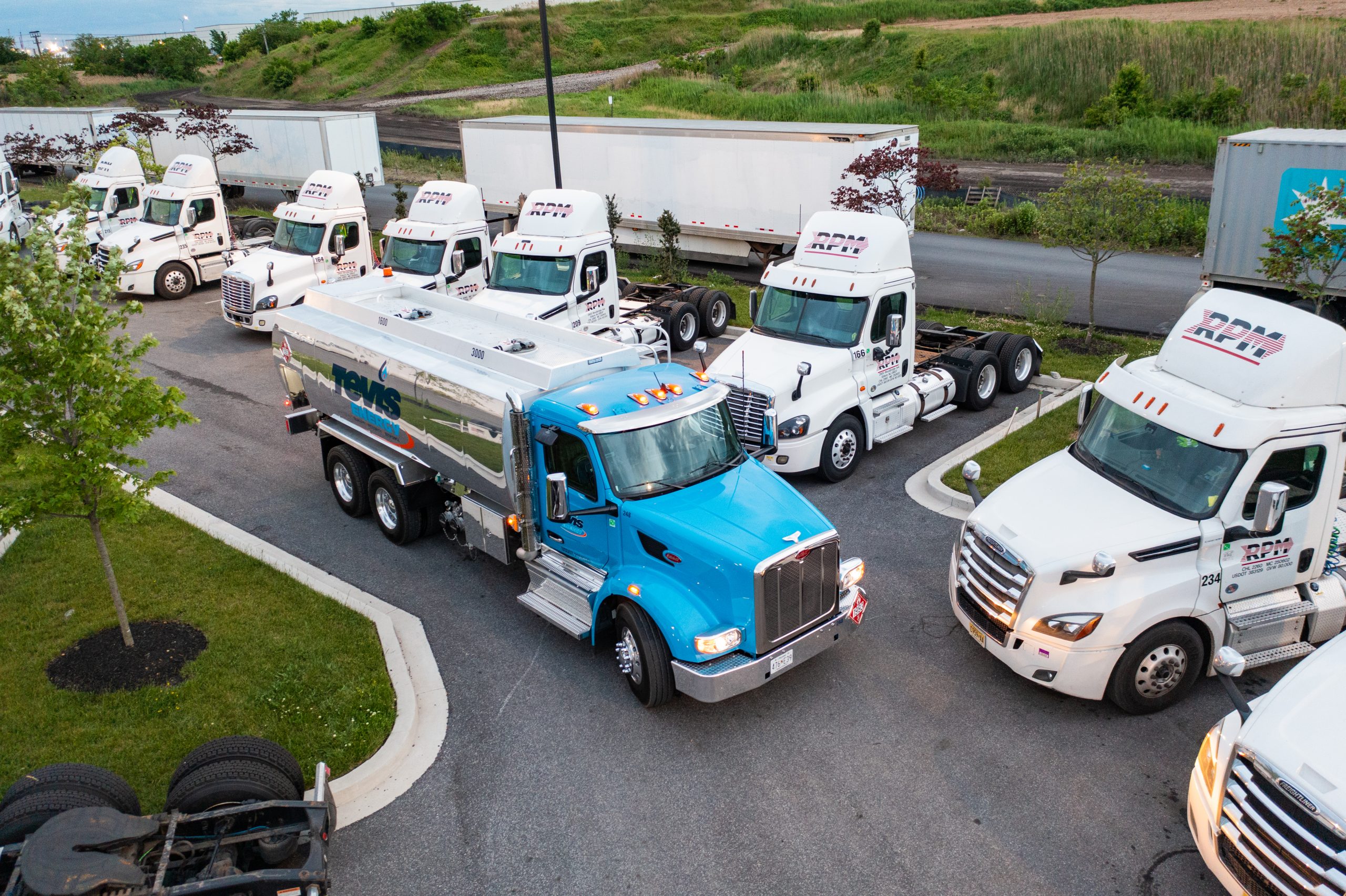 Businesses throughout Central Maryland and Southern Pennsylvania depend on quality fuel to keep vehicles, equipment and operations moving forward. Choosing the right fuel provider does more than power your fleet reliably. A good fuel partner can reduce maintenance expenses, minimize downtime and help your business stay productive during harsh weather conditions.
At Tevis Energy, one question we hear from fleet operators and business owners in Harford County and surrounding communities is, “What’s the difference between diesel and ethanol?” While both are transportation fuels, they are designed for very different applications.
Diesel fuel is refined from crude oil and engineered to power compression-ignition engines commonly found in commercial trucks, construction equipment, agricultural machinery and fleet vehicles. Modern ultra-low-sulfur diesel, or ULSD, burns cleaner than older diesel formulations while delivering the power and durability heavy-duty equipment requires.
Ethanol is a fuel made from plant-based materials such as corn and other biomass sources. It is most often blended with gasoline to create fuels such as E10 and E85. Ethanol is designed for spark-ignition engines, which operate differently from diesel engines.
Although both fuels move vehicles, they are not interchangeable and serve distinct purposes within the transportation industry.
One of diesel’s biggest advantages is its energy density. Diesel fuel contains more usable energy per gallon than ethanol-based fuels, allowing vehicles and equipment to travel farther and work longer between fill-ups.
This efficiency is particularly valuable for commercial operations where fuel costs, productivity and equipment uptime directly affect profitability. Long-haul trucks, delivery fleets, farm equipment and construction machinery all benefit from diesel’s ability to provide consistent power under demanding conditions.
Ethanol contains less energy per gallon than diesel, which generally results in lower fuel economy. While it plays an important role as a gasoline additive, it is not typically used to power the heavy-duty vehicles and equipment that many businesses rely on every day.
As a general rule, no. Diesel engines rely on compression ignition, while ethanol is formulated for spark-ignition systems. Using ethanol in a diesel engine can lead to serious performance issues and equipment damage. For fleet managers and business owners, following manufacturer fuel specifications is essential for protecting expensive vehicles and machinery.
At Tevis Energy, we understand the challenges fleet managers face every day. Maintenance costs, fuel reliability, inventory control and operational downtime can all affect your bottom line.
That’s why we deliver premium ultra-low-sulfur diesel treated with additives that help reduce gelling, water accumulation and sludge buildup. The result is fewer filter changes, reduced wear on equipment, improved cold-weather performance and greater long-term reliability.
We also help businesses solve common fueling challenges:
Whether you need scheduled deliveries, flexible fueling arrangements or fixed-price fuel contracts, Tevis Energy can build a solution that fits your operation. Every commercial customer also benefits from dedicated support from a personal account manager who understands their business.
For companies throughout Central Maryland and Southern Pennsylvania, Tevis Energy delivers more than fuel—we deliver confidence that your fleet will be ready for the work ahead.
